
Deposit-Return System vs Gastronomy: What to Expect After October 1, 2025
On October 1, 2025, the deposit-return system will come into force in Poland. In practice, this means that beverages sold in bottles and cans will include an added deposit, which must then be refundable to the customer. That’s the simplified version. It seems straightforward, but not entirely. For businesses in the gastronomy and retail sectors, this is a concrete challenge.
Do you run a restaurant, catering service, food truck, or sell drinks in bottles and cans? Sit back and read this blog. This text is for you.
We’re not going to go on about ecology here. We’re talking specifically about money, obligations, and the logistics that await you.
Do you have to pay a deposit for the 0.5L water your employees drink?
What about bottles from lemonade served on the spot?
We explain everything—clearly, in plain language, with the hospitality industry in mind. No legal jargon, no nonsense.
What exactly is this deposit system?
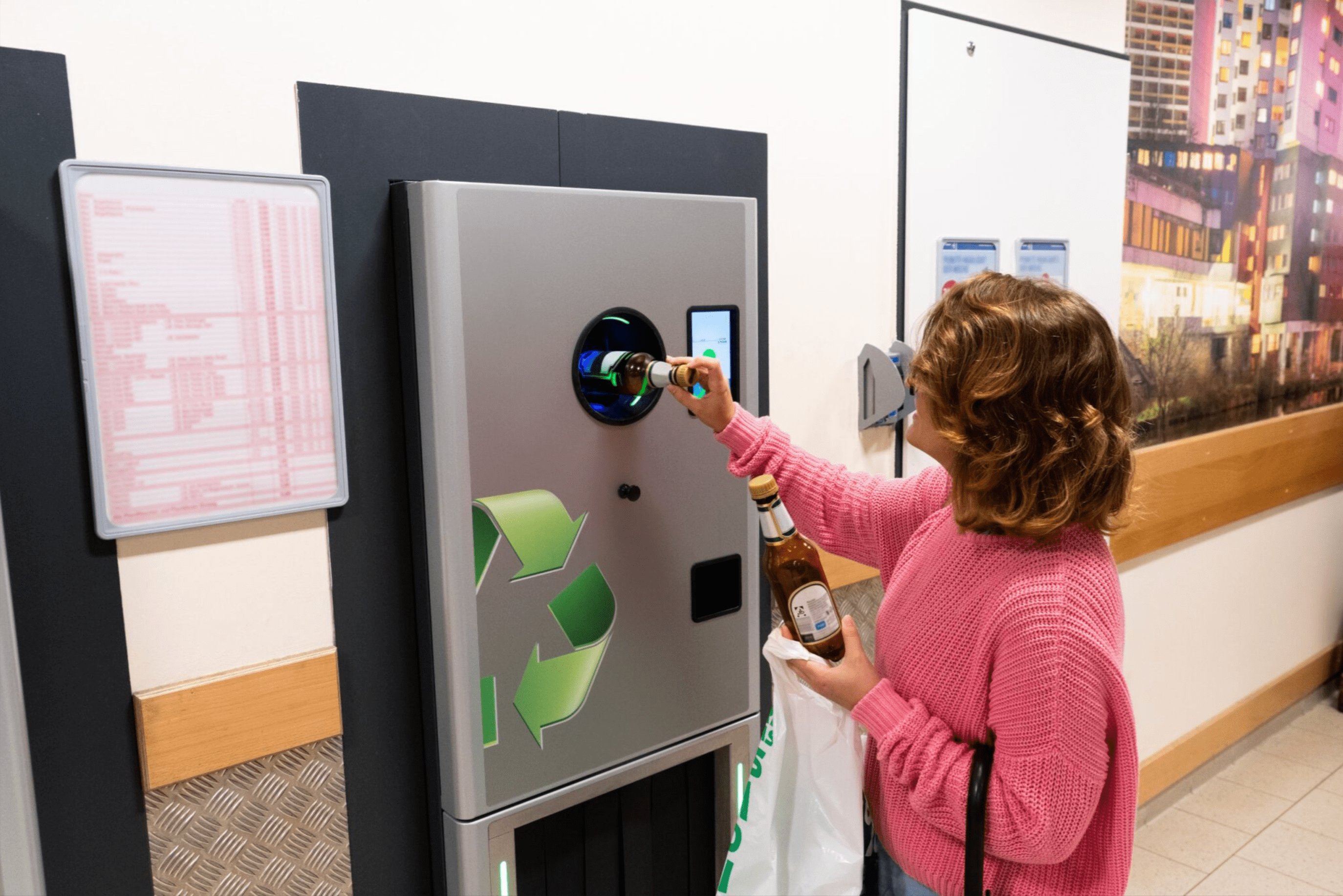
In a nutshell - you buy a drink somewhere, pay a deposit, drink it, return the bottle, and get your money back. That’s it.
A deposit is simply an additional fee added to the price of a drink in a plastic bottle, can, or reusable glass bottle. To be clear—it’s not a tax. The money doesn’t go to the state budget. It’s money that circulates and is meant to be returned to the customer if they return the empty packaging to a so-called collection point.
The most important thing! Remember, it’s not the customer’s job to figure out how this works. You, as the seller or introducer, have to do it for them.
You must collect the deposit if you are the introducer—properly label the product, settle accounts with the system, and (if required) accept returned packaging.
The deposit system is not optional—it’s an obligation for companies selling drinks in containers covered by the new regulations, starting from October 1, 2025.
Which containers will be subject to a deposit?
To t’s not the case that you’ll have to pay a deposit for everything with a cap or a lid.
The legislator has chosen a very specific group of drink containers that will be subject to the new regulations.
Here’s the list:
-
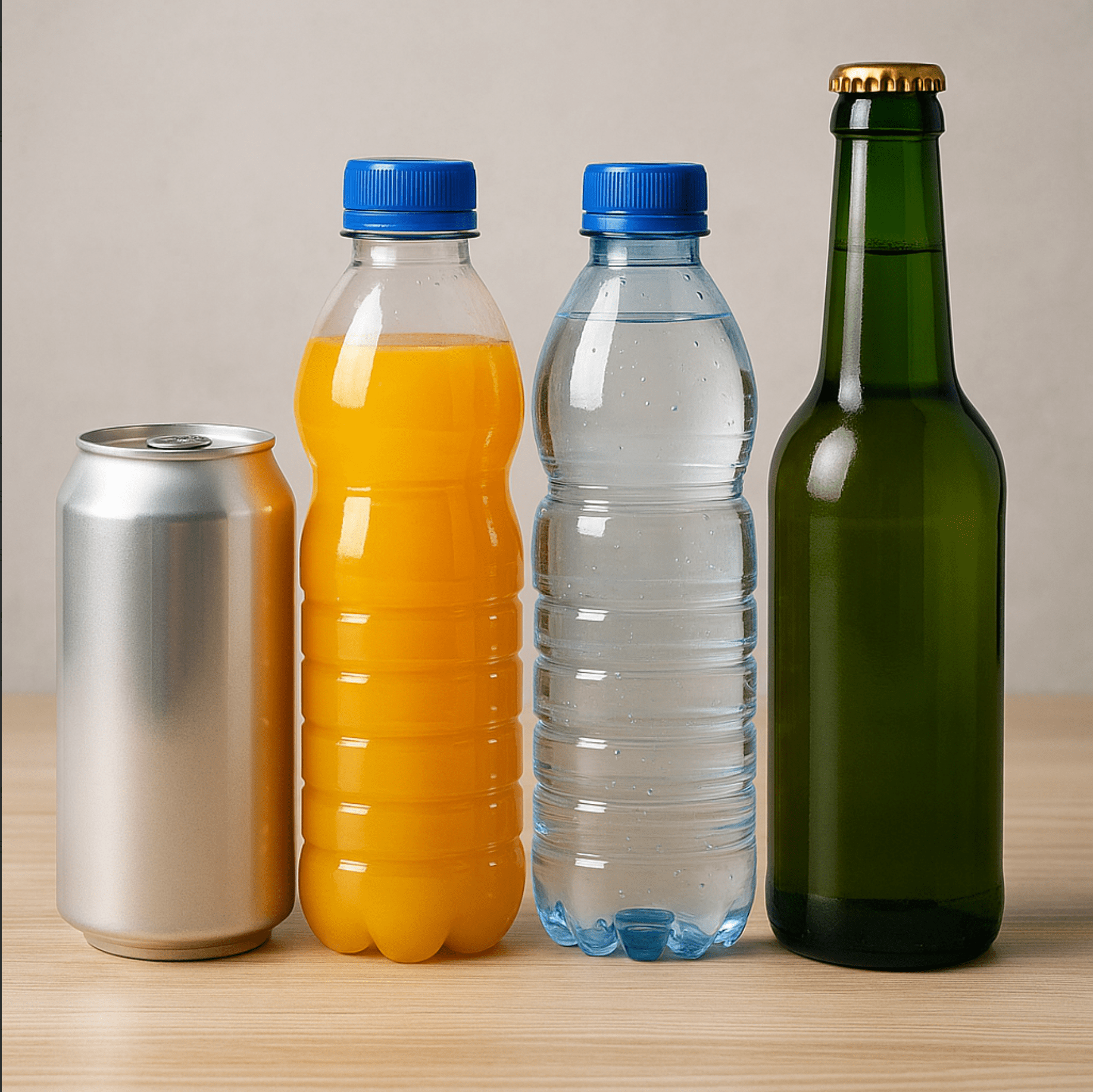
Single-use plastic bottles – up to 3 liters,
But beware—not only the container matters, but also what’s inside. The deposit applies only to containers with drinks such as:
-
water,
-
juices,
-
nectars,
-
energy drinks,
-
and other concoctions—if consumed cold.
And what is not subject to a deposit?
- Cartons (e.g., Tetra Pak) – not yet,
-
Bottles for milk and dairy drinks (e.g., buttermilk, kefir, drinking yogurt, ayran) – these are excluded,
-
Bottles for soy sauce, oil, syrups, soups - in other words, anything that is not considered a “drink” under the regulations,
-
A traditional sushi bottle (including the fish-shaped one) can rest easy. No deposit will be charged for it.
How much is the deposit? And what about VAT?
| Container Type | Deposit (PLN) | Deposit (EUR) |
|---|---|---|
| Single-use plastic bottle (up to 3 liters) | 0.50 zł | 0.12 € |
| Metal can (up to 1 liter) | 0.50 zł | 0.12 € |
| Reusable glass bottle (up to 1.5 liters) | 1.00 zł | 0.23 € |
| Rodzaj opakowania | Kaucja |
|---|---|
| Plastikowa butelka jednorazowa (do 3 l) | 0,50 zł |
| Puszka metalowa (do 1 l) | 0,50 zł |
| Butelka szklana wielokrotnego użytku (do 1,5 l) | 1,00 zł |
The deposit is added to the price of the drink and refunded to the customer if they return the empty container at any collection point (no receipt needed, just the marking).
And what about VAT?
According to the interpretation of the Ministry of Finance and confirmation on gov.pl:
The deposit is not subject to VAT if it is refundable and returned to the customer.”
-
If you collect a deposit for a bottle/can, you do not add VAT to it,
Note: the deposit must be recorded separately (e.g., on a receipt or invoice) – not as part of the drink’s price.
What does the marking look like?
The customer must know that when purchasing a given drink, they pay a deposit but can also get it back. How will they know? Every container subject to the deposit system must have the appropriate marking.
What does the marking on the container look like?

- The word “Deposit” (or “D”) – clearly visible, in a prominent place, not hidden or in fine print.
-
Deposit amount – e.g. “Deposit: PLN 0.50”.
All these elements must be placed on the front or clearly on the side. We cannot play aesthetes here and hide these markings under the label or the cap.
If the packaging does not bear the marking:
Is your food service business a “beverage introducer”? (do you need to worry about this)
According to Art. 8, point 21a of the Act of 13 June 2013 on Packaging and Packaging Waste (consolidated text: Journal of Laws 2024, item 927): “beverage packaging introducer” – means an entrepreneur who, in the course of their business activity, places products in beverage packaging on the market for the first time in the territory of the Republic of Poland, including free-of-charge
- If you bottle beverages yourself (e.g., lemonade, juice, water) and sell them to a customer…
- If you simply buy water for your employees (e.g., a case of water for the office) – No. You are not a beverage introducer. You don’t have to do anything. You pay the deposit where you purchased the beverage.
What do you need to do as a food service business?
Here you need to distinguish whether you are introducing beverages to the market or just reselling them to customers.
-
You allow the customer to return the packaging and get the deposit back, but this depends on the size of your sales area:
What about online purchases?
What are the consequences of inaction?
It sounds harmless and almost painless, but it’s actually a financial penalty for not participating in the system.
Haven’t you reached the required collection rate (e.g., 77% in 2025 or 90% in 2029)? You pay—and it’s steep.
FAQ – Frequently Asked Questions
What happens to a deposit that a customer doesn’t collect?
You can reclaim the deposit at a collection point. This can be done at any store or retail outlet larger than 200 m². Smaller establishments charge the deposit but are not required to collect containers.
Do I need a receipt to reclaim the deposit?
Can I return a container purchased before October 1, 2025, under the system?